
Why Engaging Bartenders Is One of the Smartest Moves a Spirits Brand Can Make
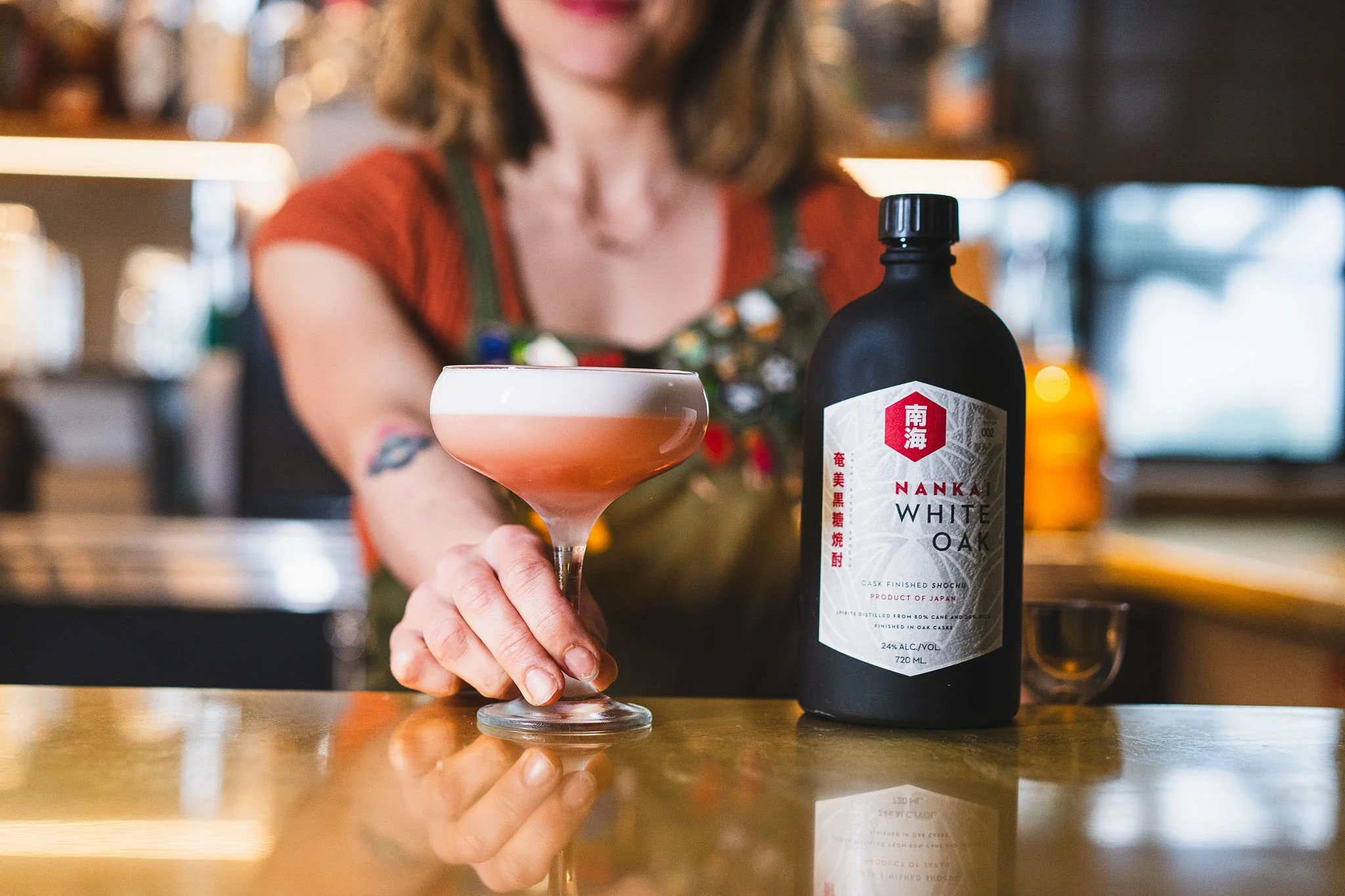
In a category crowded with great liquid, bold packaging, and clever campaigns, spirits brands often overlook the most powerful lever they have in the on-premise world: Bartenders.
Not as “accounts.”
Not as “gatekeepers.”
But as the people who turn awareness into loyalty—one recommendation at a time.
Bartenders influence what Americans drink—at scale
Multiple studies and industry reports point to the same reality:
More than half of U.S. consumers are likely to order a drink based on a bartender’s recommendation.
Over 80% of guests say they trust bar and restaurant staff to recommend alcohol, particularly when discovering new brands.
For emerging and premium spirits, the bar is often where first trial happens—long before retail loyalty forms.
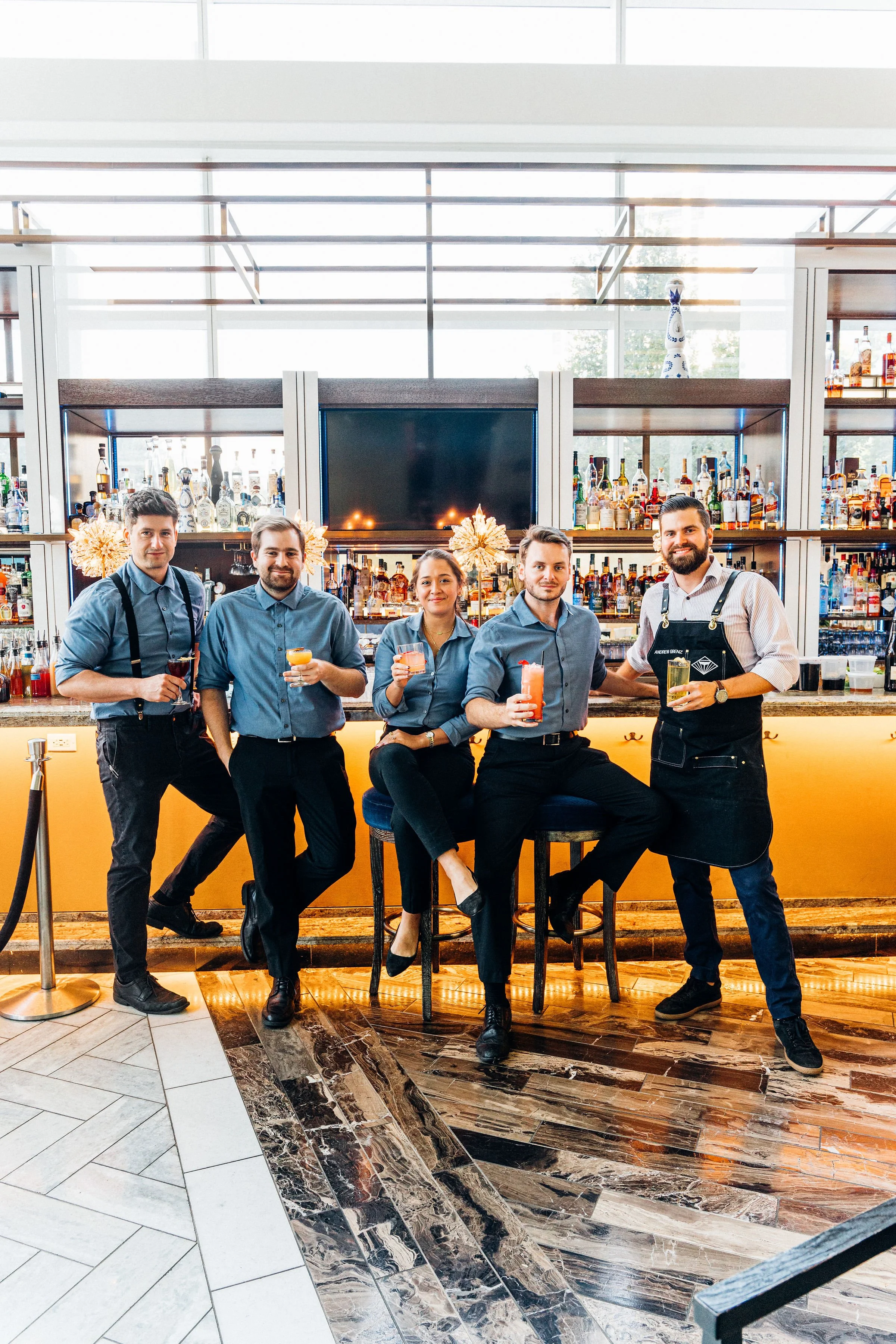
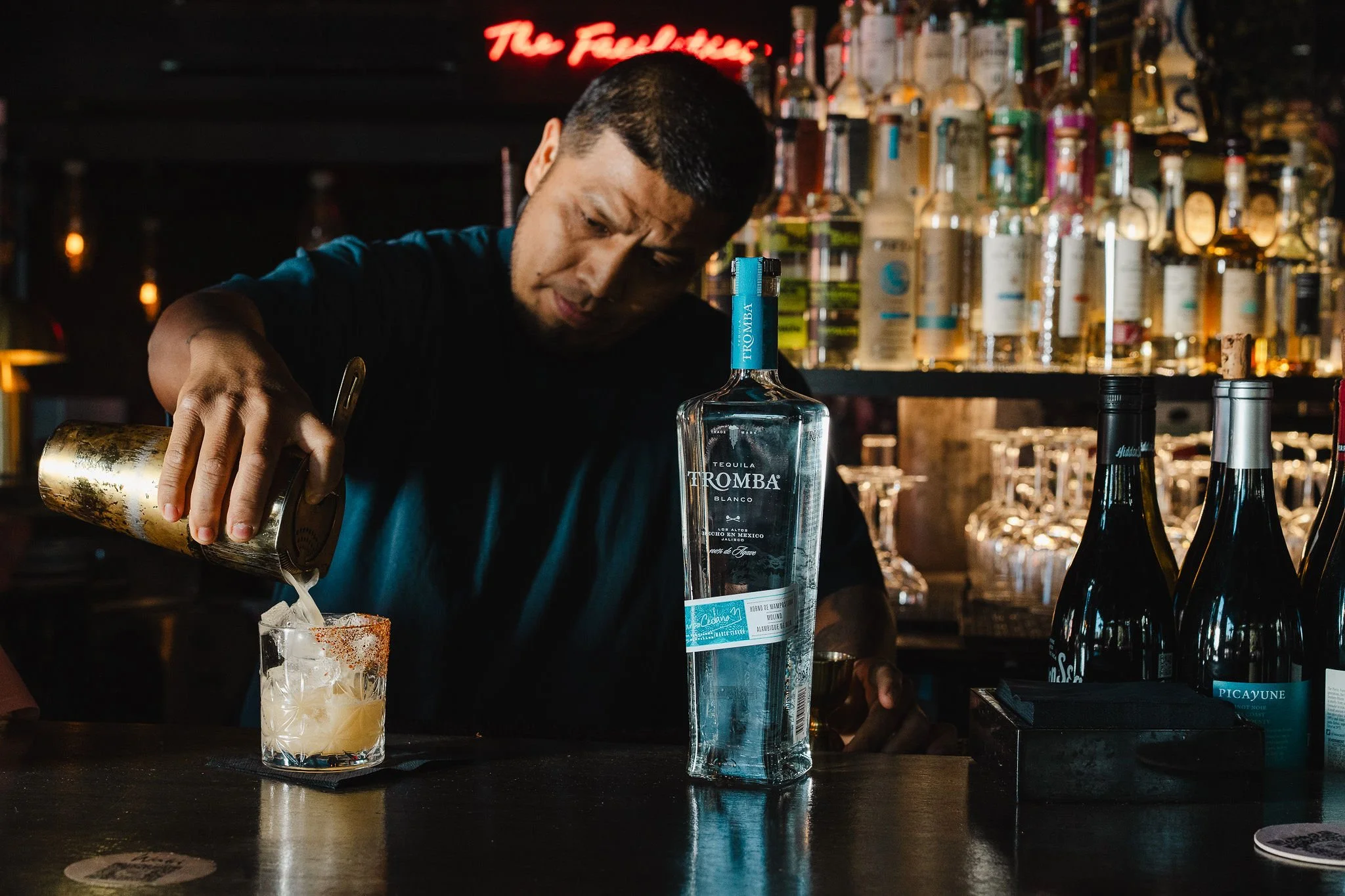
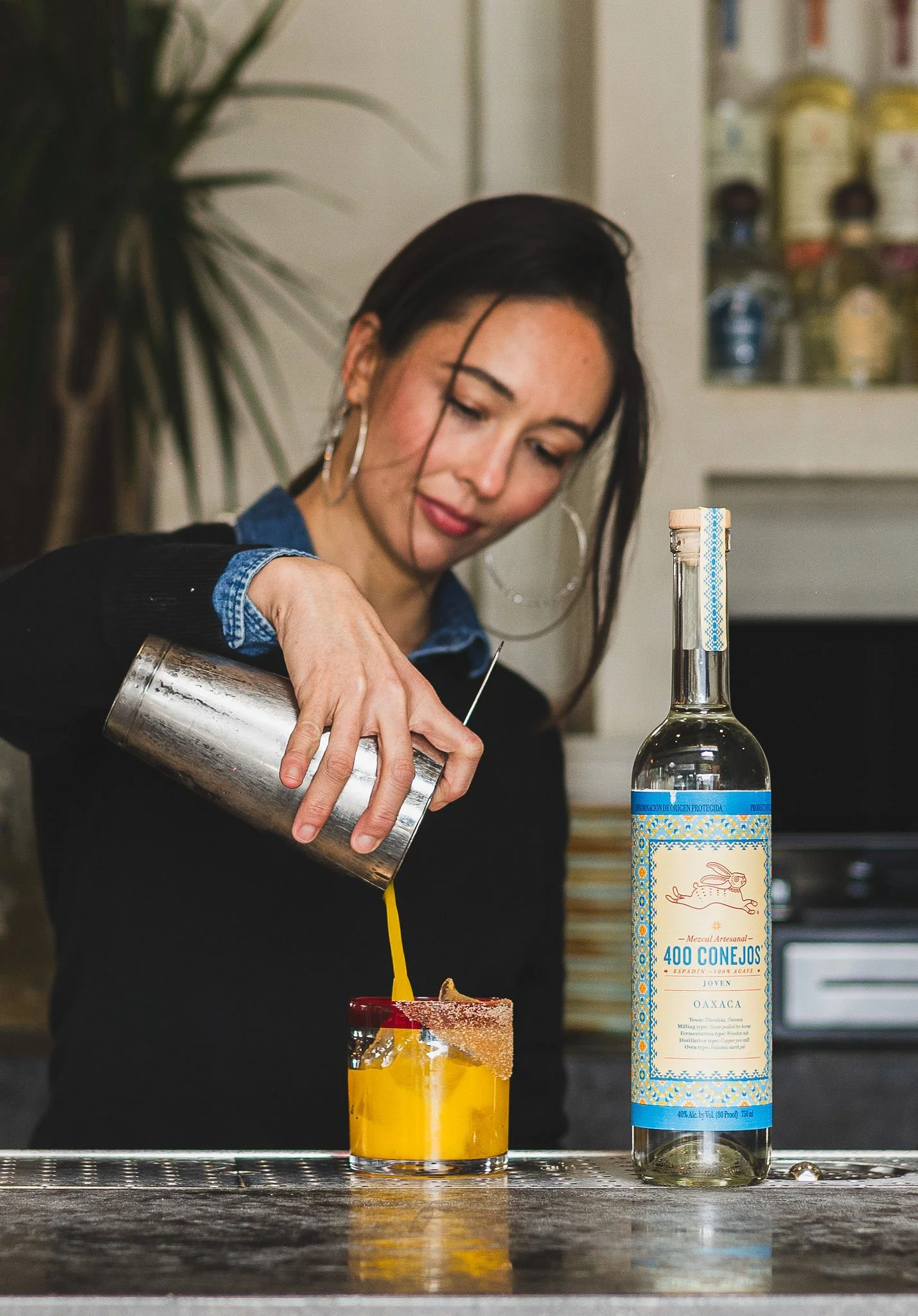
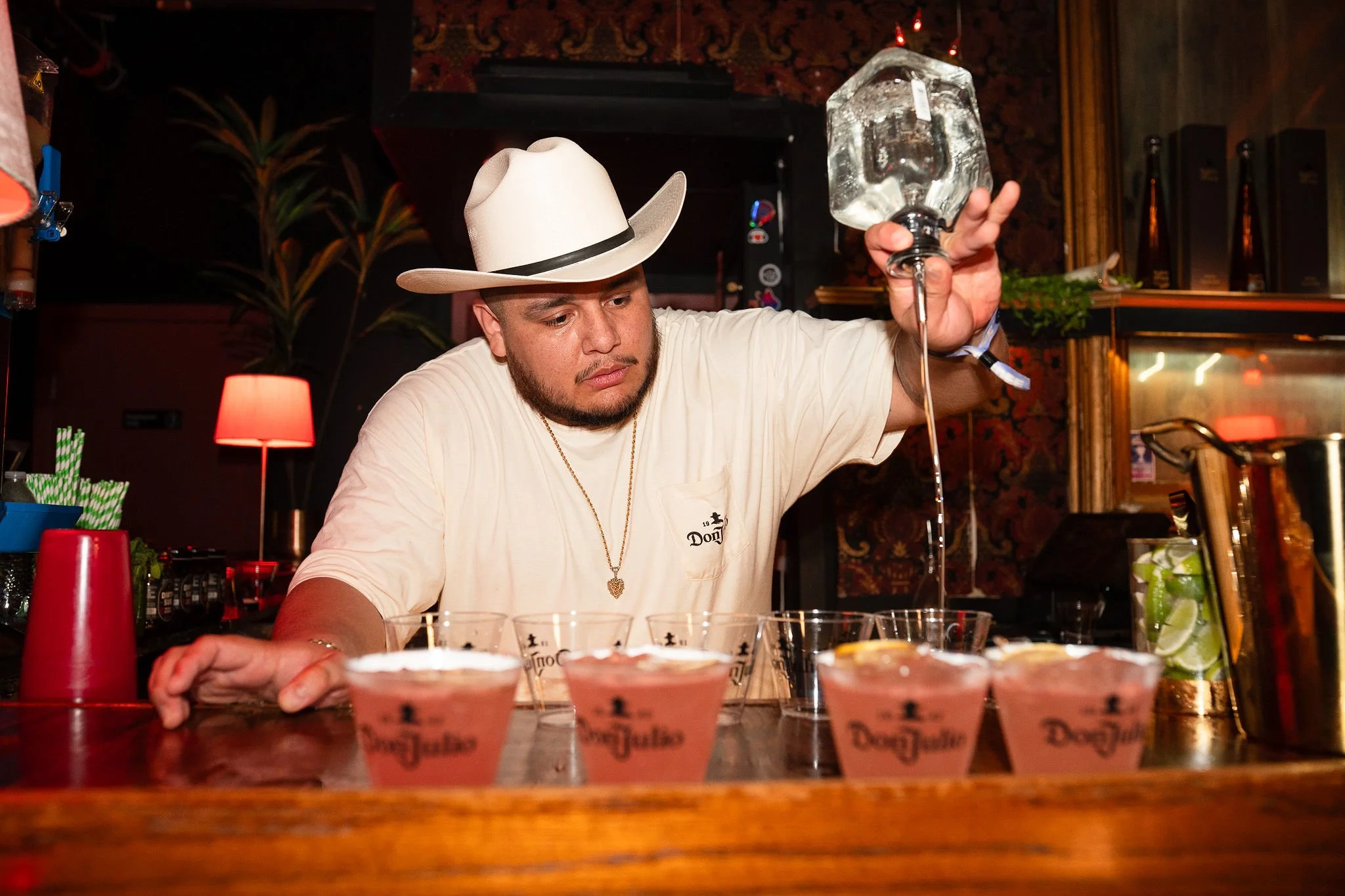
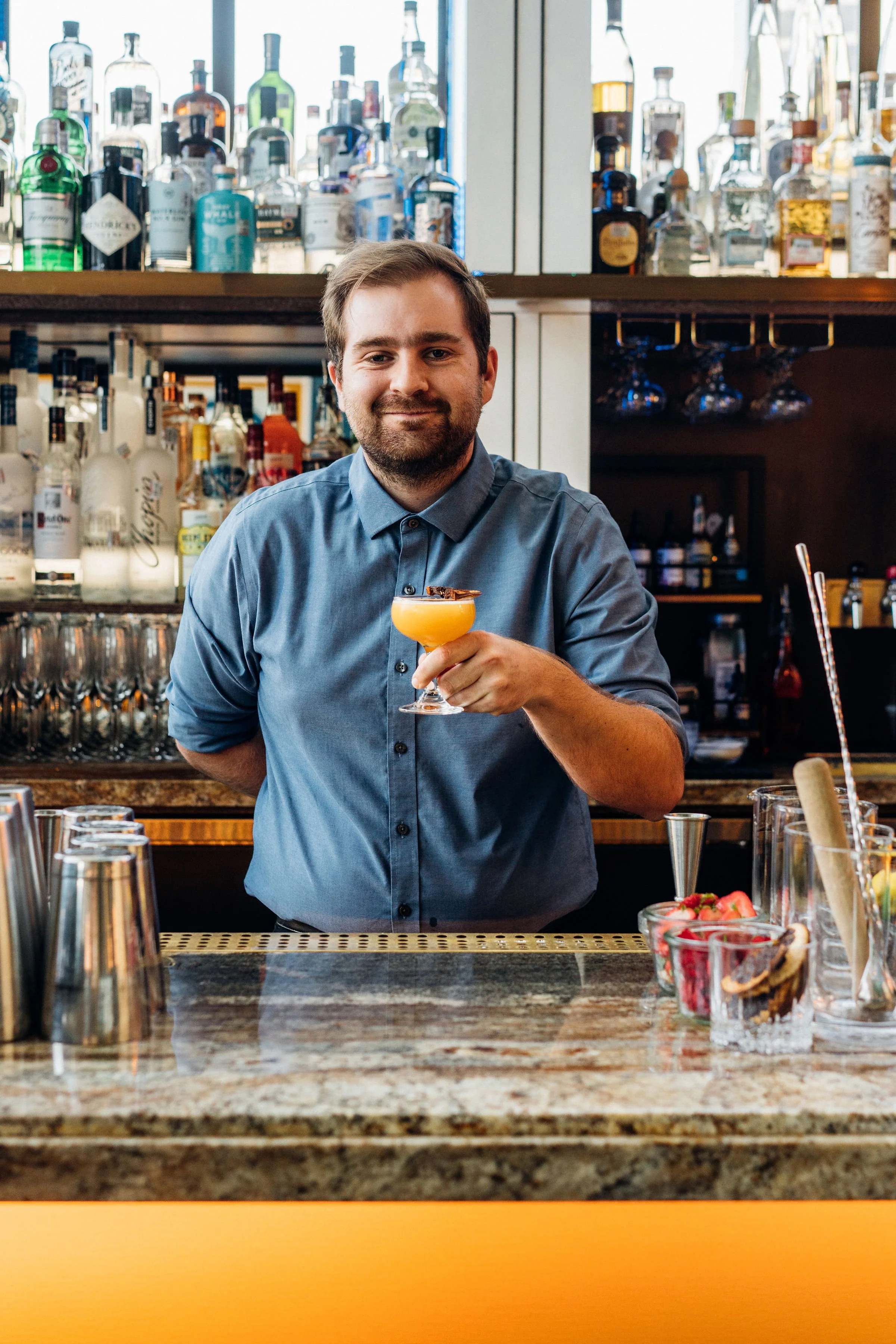
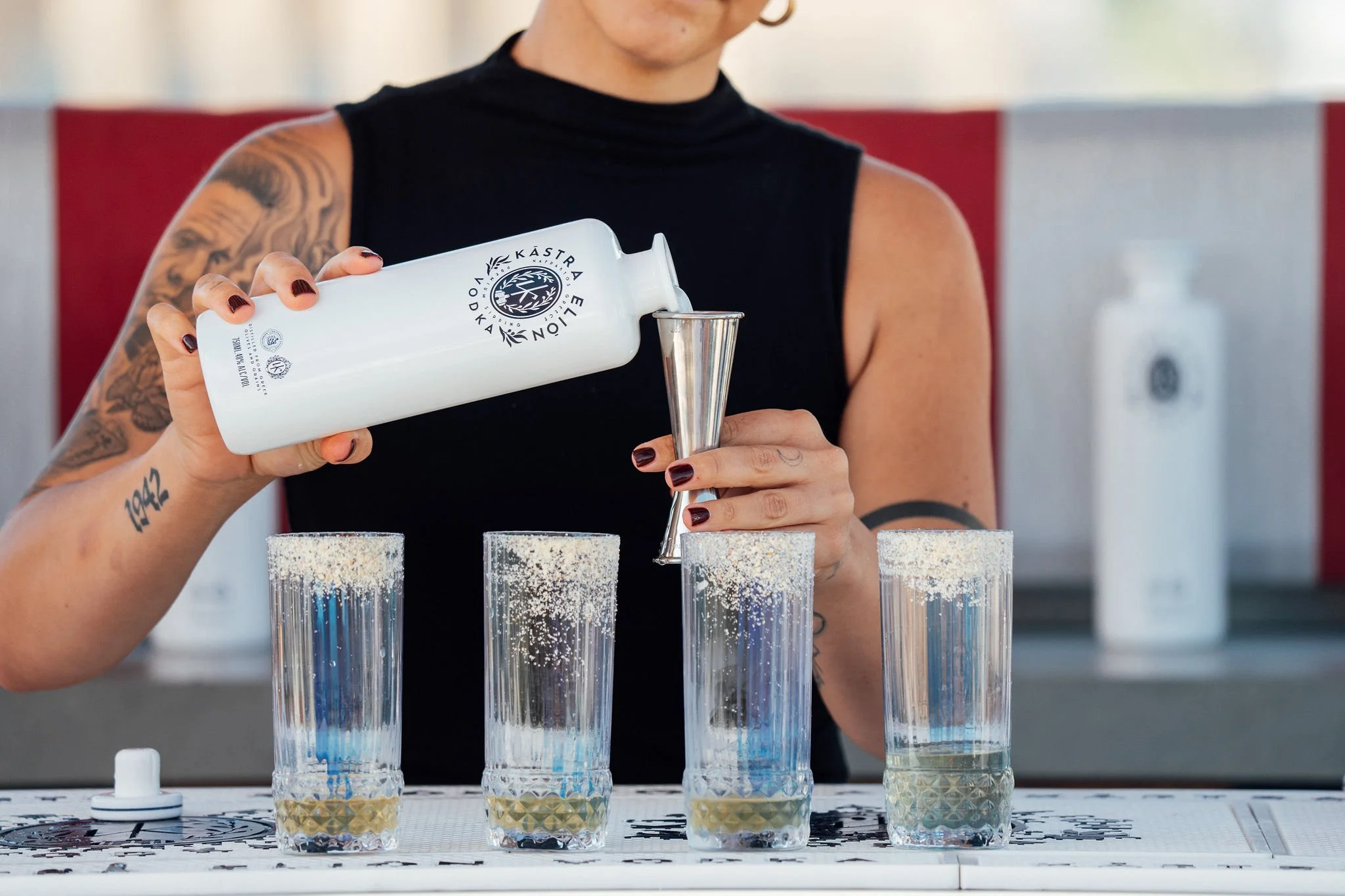
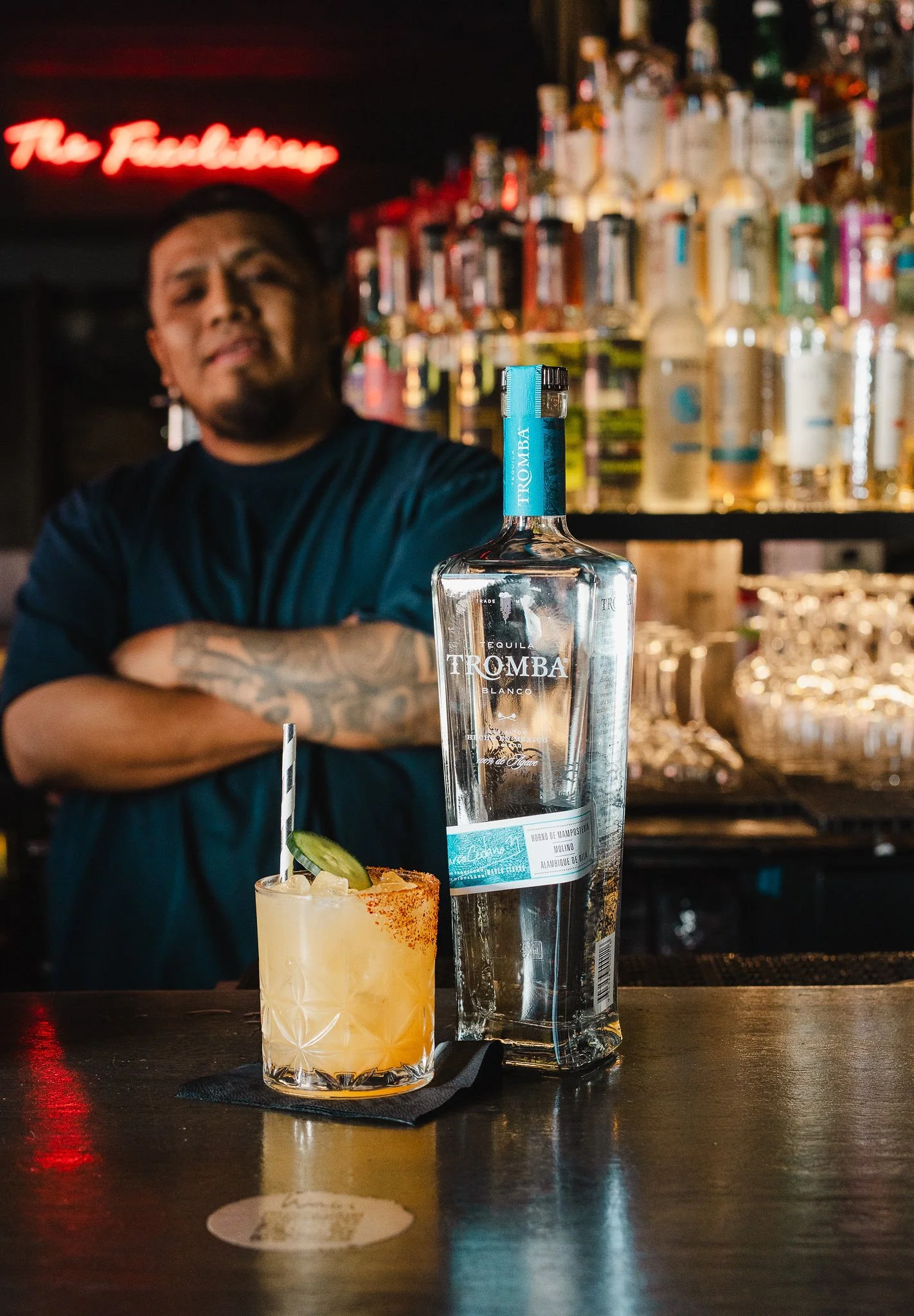
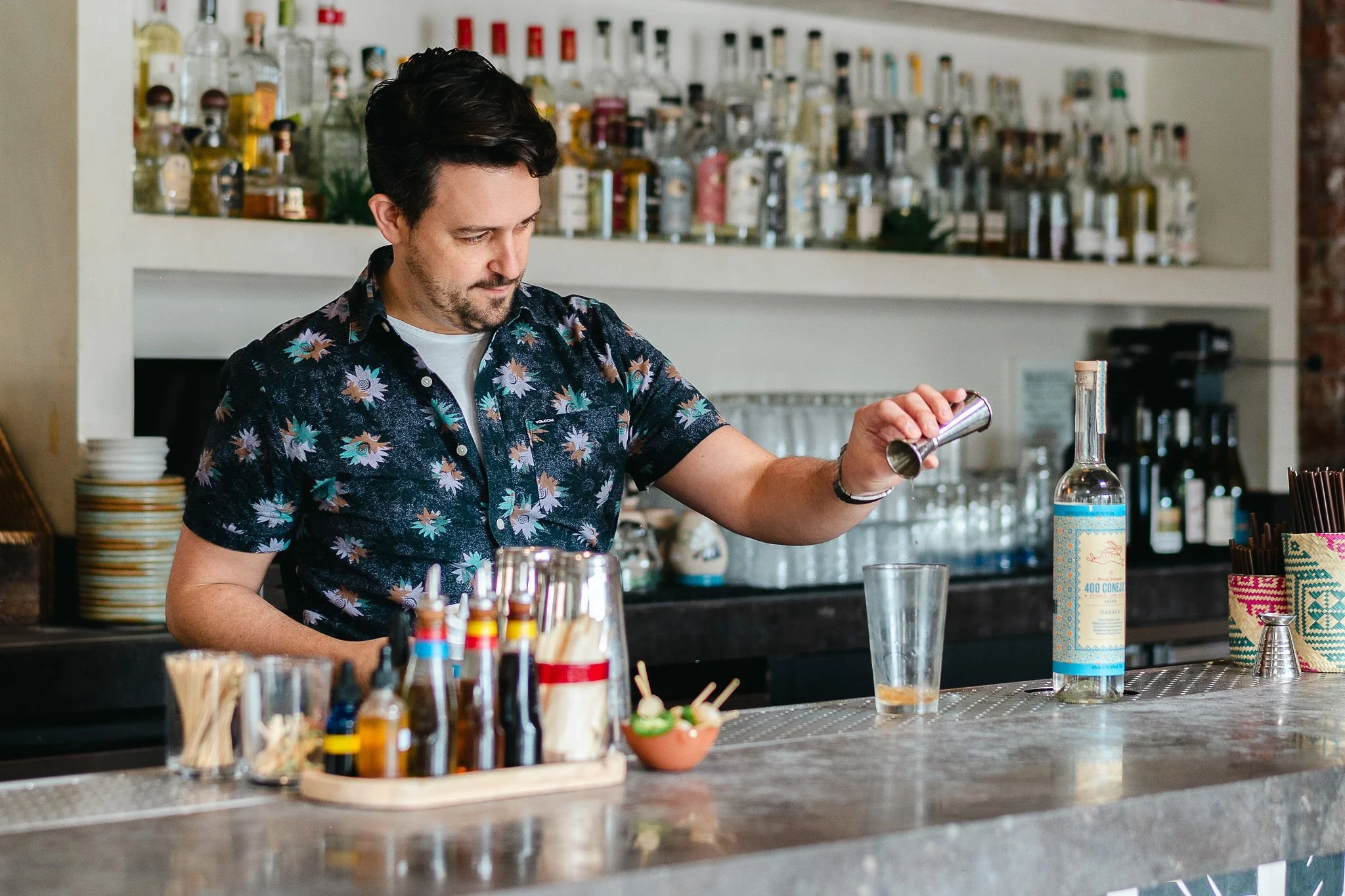
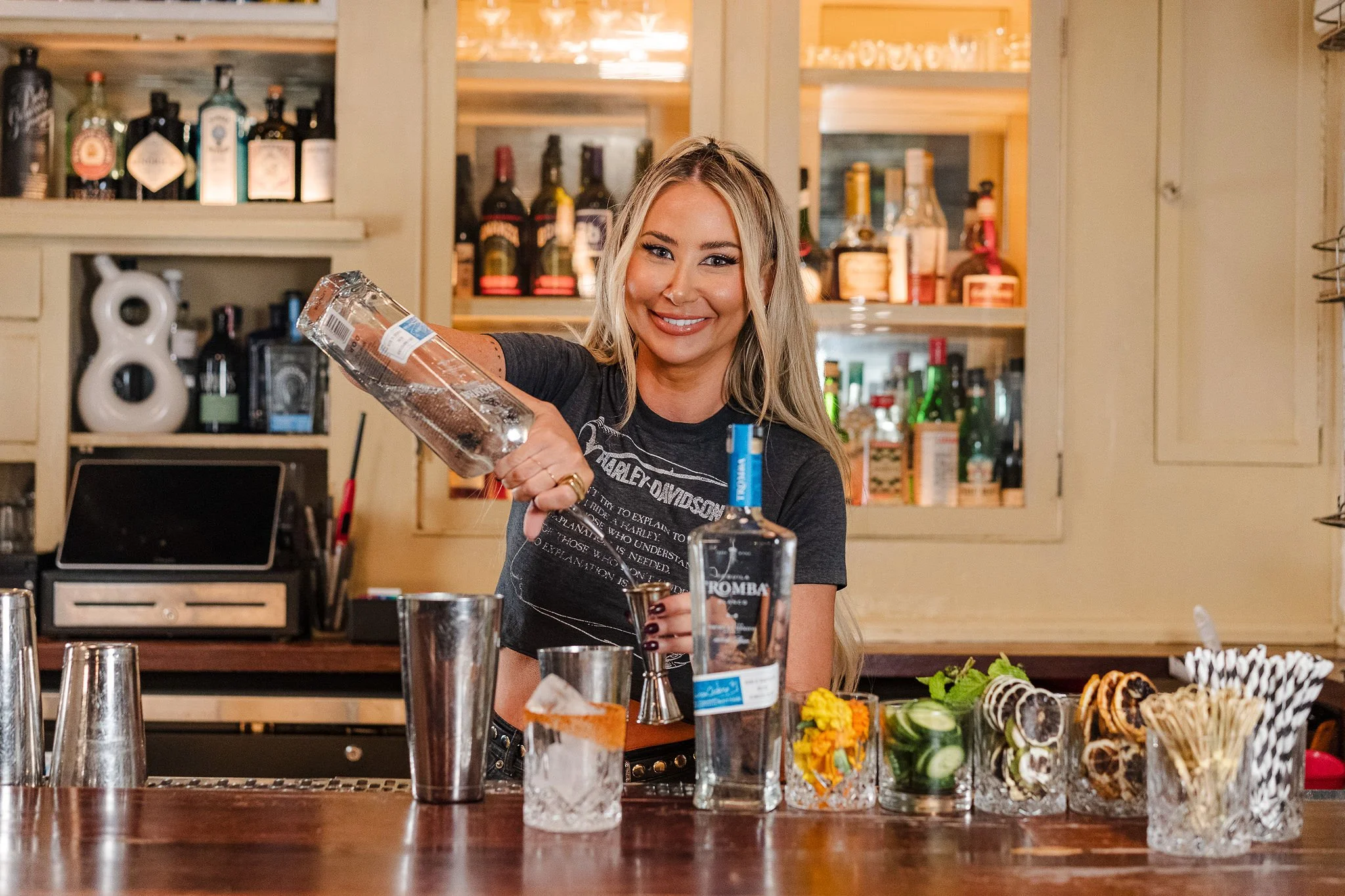
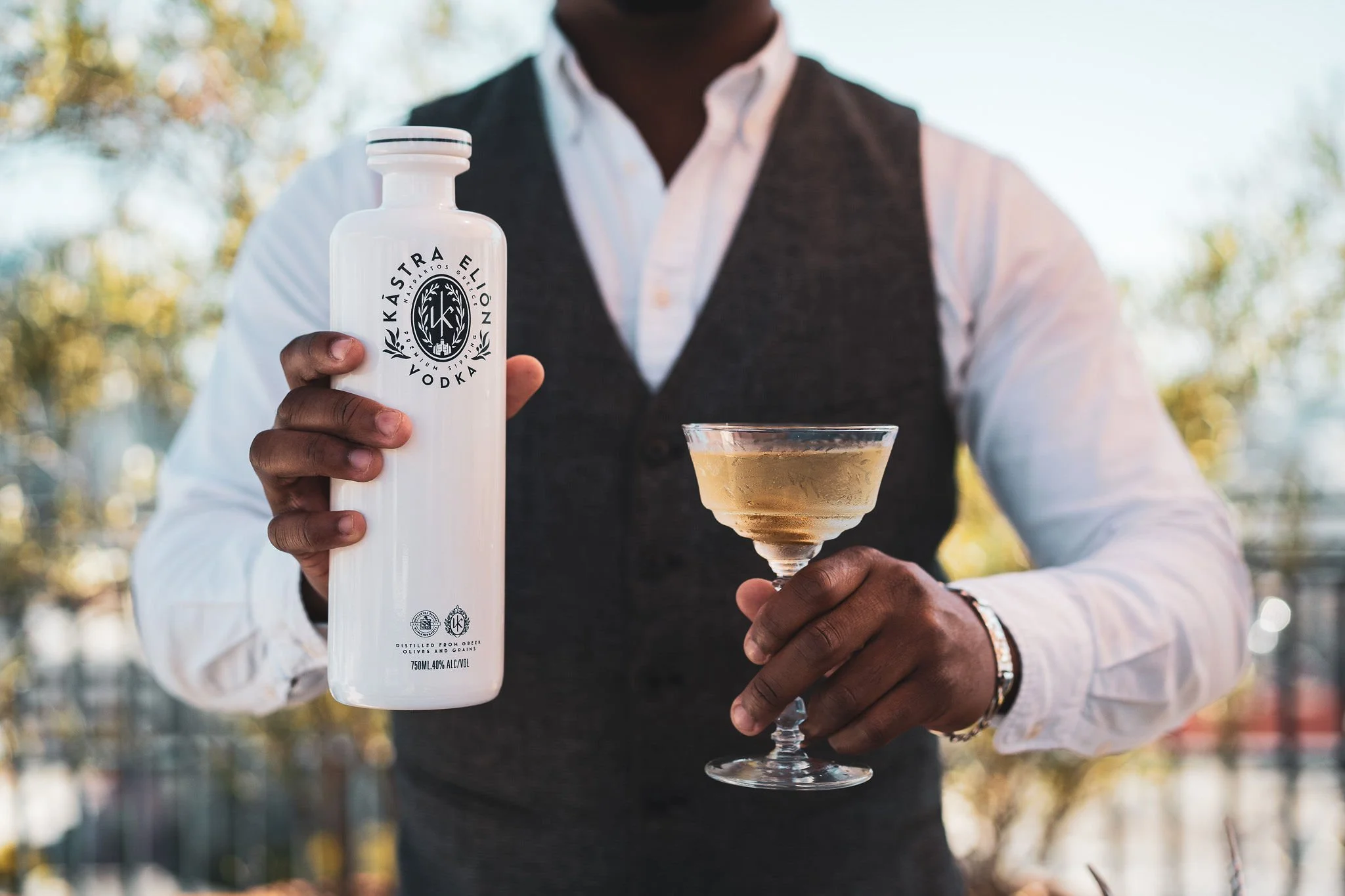
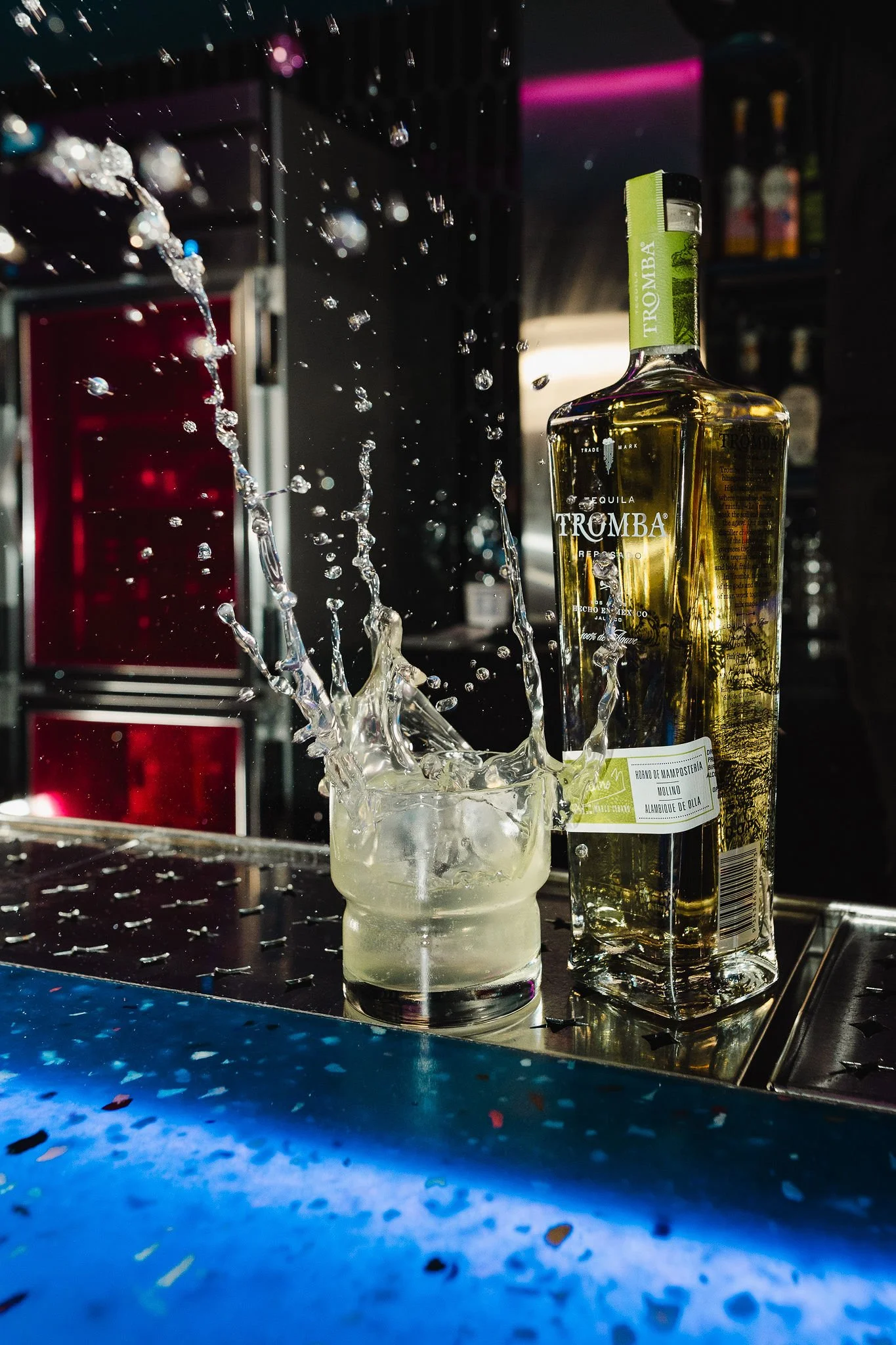
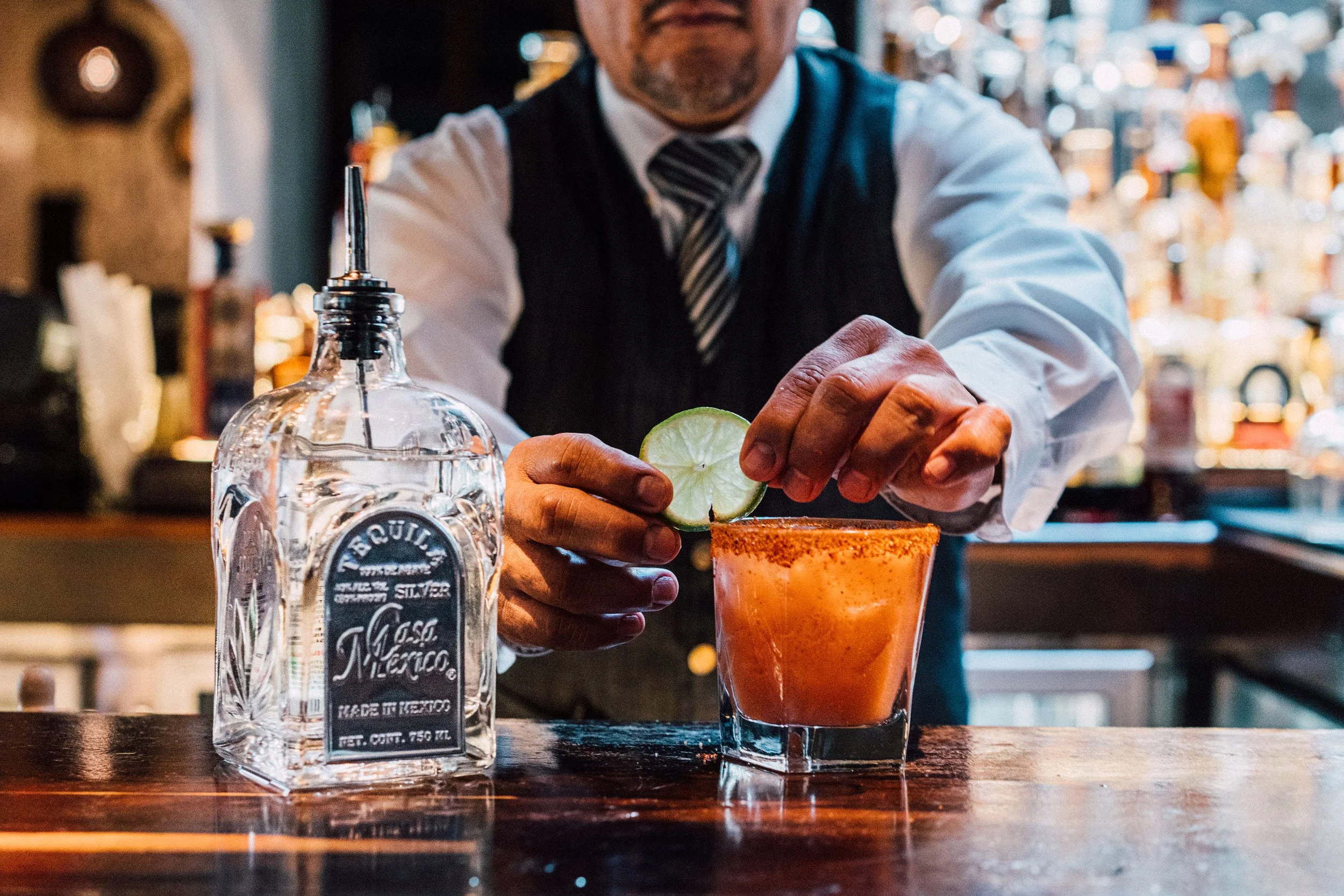
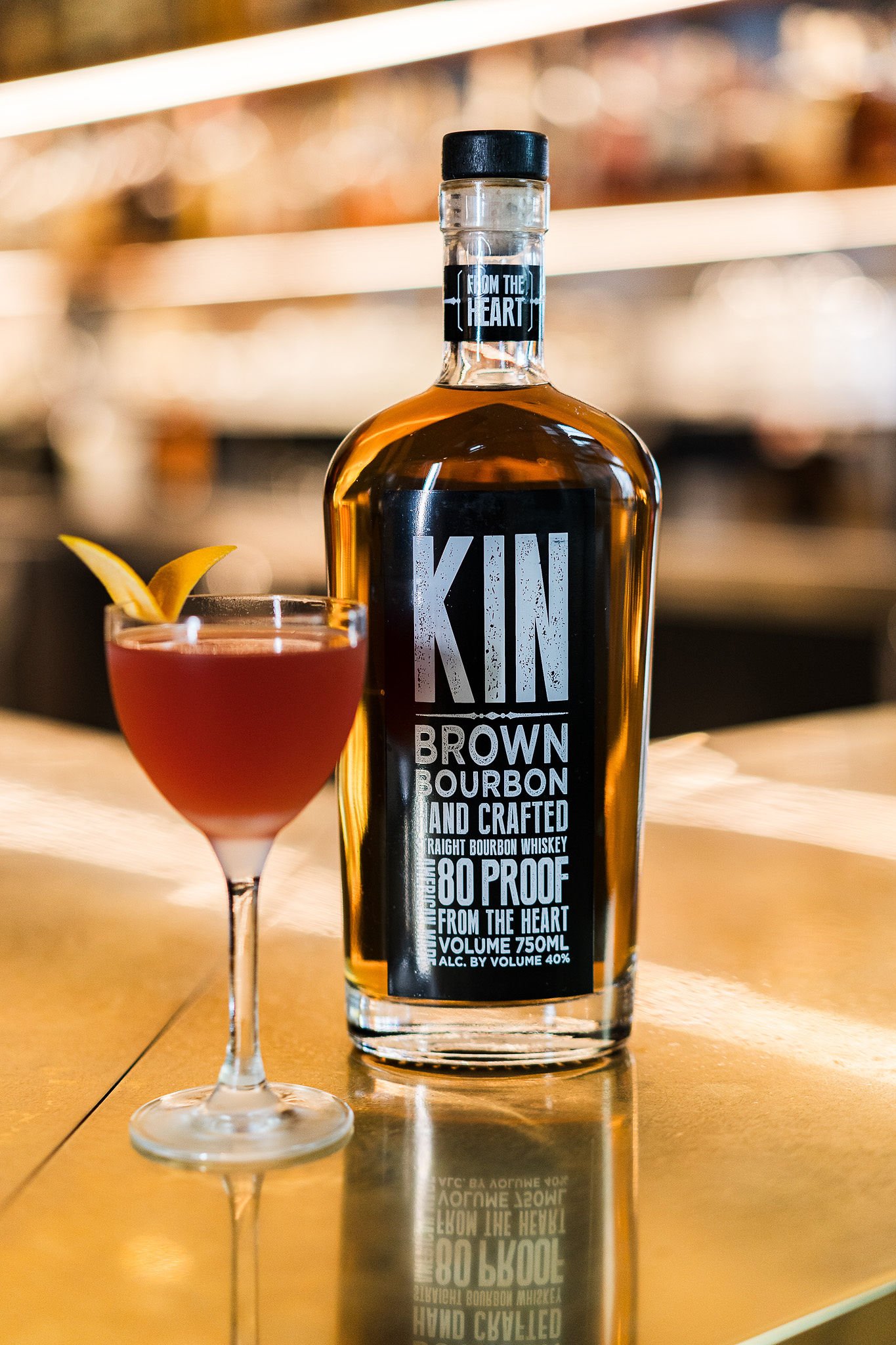
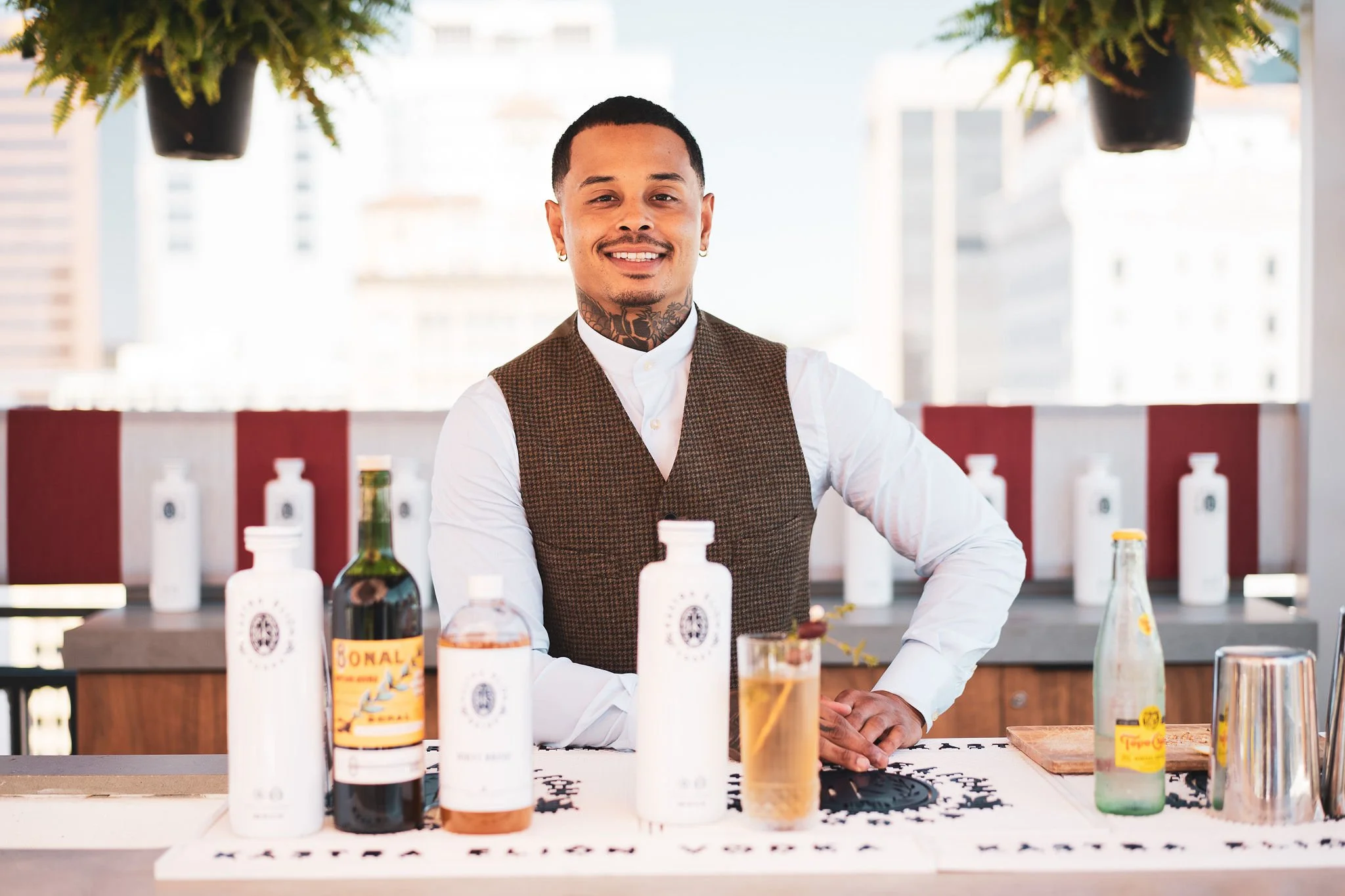
In practice, this means one bartender isn’t influencing one decision. They’re influencing dozens—sometimes hundreds—of purchase decisions every week.
A single shift can include:
Recommending a brand in cocktails
Steering a guest toward a specific pour
Choosing which bottle becomes the house option
Deciding what earns menu placement—or what never leaves the shelf
That’s not awareness. That’s behavior change at the moment of purchase.
Bartenders are more than tastemakers—they’re brand builders
One of the most consistent findings across U.S. on-trade research is that bartenders don’t just help consumers recognize brands—they help them remember and return to them.
Industry veterans often describe bartenders as: “The bridge between the brand and the consumer.” That’s because bartenders operate at the intersection of:
Physical availability — what’s actually behind the bar
Mental availability — what comes to mind when a guest asks, “What should I try?”
Brands invest heavily to secure listings and back-bar visibility. Bartenders decide whether that bottle becomes a default pour—or just another label collecting dust.
Support drives advocacy (and advocacy drives sales)
U.S. supplier research consistently shows a strong link between brand support and bartender advocacy:
Bartenders are far more likely to recommend brands that invest in them through education, training, and meaningful engagement.
Positive brand impressions lead directly to increased recommendations and repeat pours.
Training programs, tastings, and hands-on experiences consistently outperform passive marketing in building long-term brand preference.
This effect is especially pronounced for:
Premium and craft spirits
New-to-market brands
Categories that require explanation or storytelling
When a bartender understands why your spirit exists—and how it fits their bar—they sell it with confidence and credibility.
Engagement goes beyond the back bar
Bartenders consistently express interest in:
Education and category training
Signature serves and cocktail inspiration
Experiences that elevate their craft—not just sales pitches
This matters because engagement doesn’t just influence pours. It influences:
Menu placement
Staff-wide recommendations
Feedback loops that help brands refine serves, messaging, and even liquid decisions
Many successful spirits brands credit bartender relationships for helping them:
Discover new use occasions
Understand regional taste preferences
Build credibility faster than consumer advertising alone ever could
Why this matters more than ever
The U.S. spirits market is more competitive than ever. Consumers are curious—but overwhelmed. In that environment, trust is currency. And bartenders have earned it.
They don’t just pour drinks. They translate brands. They guide decisions. They turn a trial into a habit.
The takeaway for spirits brands
If your strategy prioritizes:
Social impressions over staff education
Packaging over bartender storytelling
Consumer ads without on-trade advocacy
You’re leaving real value on the table. Brands that win long-term in the U.S. spirits market understand this simple truth: Bartenders don’t just sell drinks. They build brands—one recommendation at a time.