Inside One of the Industry’s Most Important Rooms
By Mike Gorman, The Best Drink Ever
Published May 25, 2026
Beverage Forum 2026: Retail Trends, Brand Strategy & Industry Insights
Most conferences give you access. Very few give you access to people who have actually done the thing everyone else is still talking about. That’s what Beverage Forum 2026 got right.
The speakers weren’t there to fill time. They were there because they’re actively shaping how this industry moves—at retail, online, and everywhere in between. Operators, founders, buyers, and marketers still in it every day, speaking less like panelists and more like people comparing notes in real time. And honestly, that’s probably why the room stayed engaged.
The morning opened with The State of the Industry featuring Sally Lyons Wyatt, who skipped the usual trend buzzwords and focused on what’s actually happening in the market. Consumers are still spending, but they’re spending more intentionally now, forcing brands to justify premium pricing in ways they maybe didn’t have to a few years ago. Some categories are quietly growing while others are losing relevance faster than people want to admit.
One thing that kept coming up throughout the day was how difficult it’s becoming to build sustainable brands purely off attention. There’s still a tendency in this industry to confuse visibility with traction. But retail shelves, distributors, and consumers are all becoming less patient.
That reality carried directly into the Winning with Walmart keynote with Tasha Tandy, Brian Salmon, and Kristin Piper. The reminder was simple: shelf space is tied to performance, not potential. Strong branding might get attention, but velocity, operational consistency, and clear positioning are what actually keep products on shelves.
As someone who spends a lot of time working with beverage brands, it reinforced something I see constantly: many companies over invest in launch energy and underinvest in building repeatable systems that keep products moving six months later. Great packaging and a viral moment can open the door. They rarely keep it open on their own.
That same conversation continued during the fireside with Monica Lightfoot, moderated by Danny Stepper. The discussion focused on how merchandising decisions actually get made inside retail systems. Most brands think they deserve more visibility than they’ve earned. Retailers are looking for products that simplify the shopping experience, fit cleanly into category strategy, and prove quickly they can drive repeat purchases.
From Attention to Actual Traction
As the day moved on, the conversation shifted toward brands trying to break through.
The Add to Cart panel pulled back the curtain on the DTC-to-retail pipeline. Noah Slakter, Mark Donnelly, and Saagar Mehta focused on what it actually takes to move product. One of the main insights was how many brands mistake high engagement for real demand. A strong ROAS campaign or viral moment might help land a buyer meeting, but retail partners ultimately want proof of repeat purchases, manageable acquisition costs, and products consumers come back for without heavy discounting.
Attention gets you noticed. Consistent velocity gets you reordered.
That idea carried into the Brand on Fire sessions. With TRIP Drinks, founders Olivia Ferdi and Daniel Khoury talked about building a non-alc brand in a category quickly filling up with lookalikes. Not framed as disruption—just the reality of trying to stand out when everyone is working from a similar playbook.
That part hit particularly hard because beverage marketing has arguably never been easier to execute tactically, but harder to differentiate creatively. Everyone has access to the same platforms, creators, paid media tools, and trends. Which means brand clarity, consistency, and actual consumer connection matter more than ever.
Later, Clement Pappas spoke about what happens after the early momentum fades—when growth becomes less about launch and more about consistency, discipline, and staying relevant long enough to matter. One of my takeaways was that too many brands spend their energy chasing spikes in attention instead of building consistency. Sustainable growth comes from repeat customers, reliable execution, and the ability to stay culturally relevant without constantly reinventing the brand every six months.
It was also a great reminder of how valuable events like this are for emerging brands trying to get in front of buyers in a more organic way. Some of the most interesting conversations happened around products that haven’t fully hit the market yet—new launches, evolving categories, and ideas still finding their footing. Beyond the panels, it was honestly just fun getting to try a lot of great new products before they become the next thing everyone’s talking about.
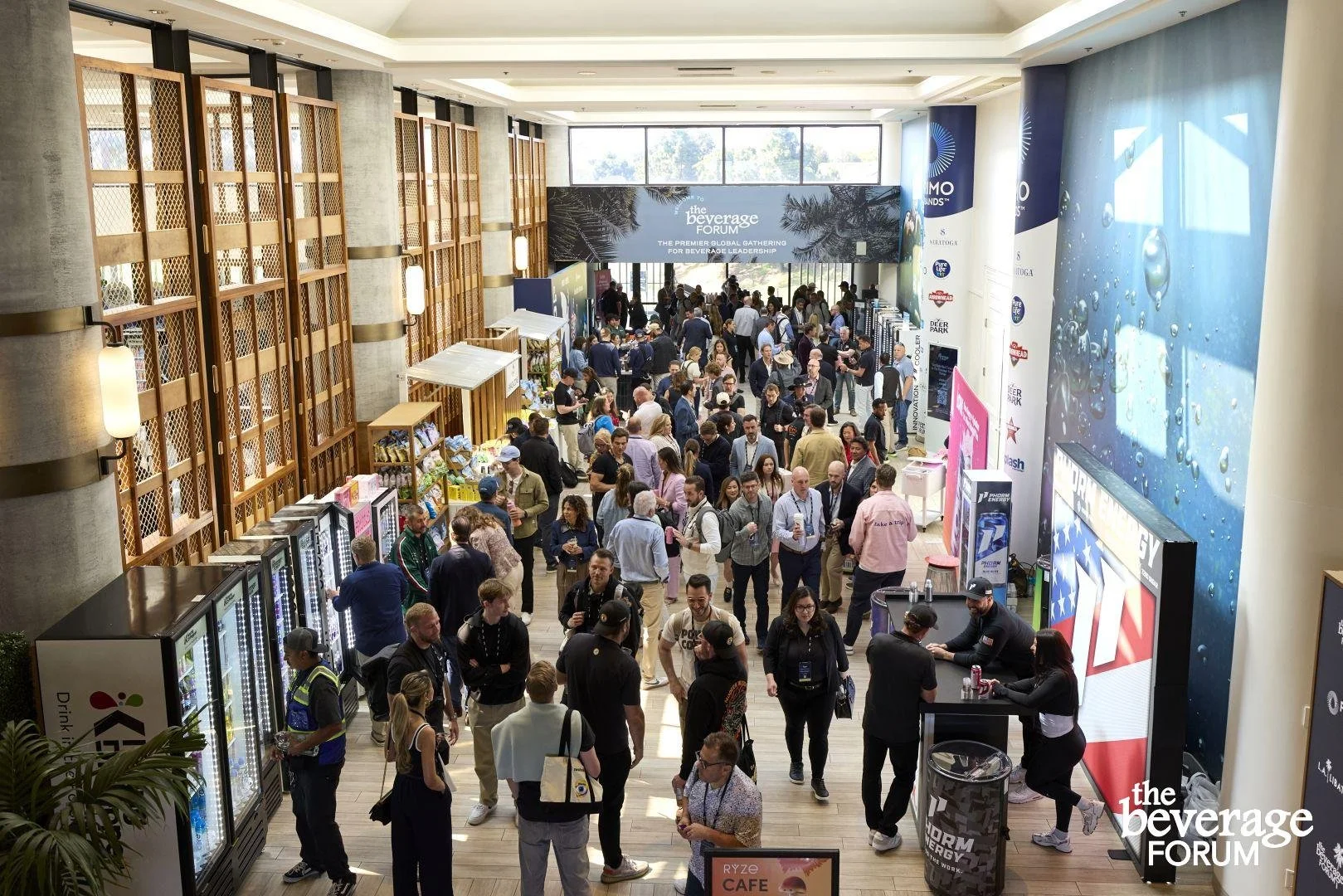
You could feel people listening differently during these conversations. Less passive. More engaged. Phones down. Heads up. People weren’t taking notes because they had to. They were trying not to miss something they could actually use.
What Happens After the Stage
But what made the event work wasn’t just what happened on stage. It was what happened after.
Because the real value of a room like this isn’t just who’s talking—it’s how accessible they are once they’re done.
Speakers stepped off stage and straight into the mix. The same people breaking down strategy were suddenly part of the conversation, open to being challenged, expanded on, or pulled into something new. No VIP badge needed. Just people actually talking shop.
The founders weren’t pitching—they were comparing notes.
Buyers weren’t gatekeeping—they were explaining what actually gets their attention.
Marketers weren’t talking trends—they were trying to understand what’s sticking and why.
And honestly, that’s probably the biggest reason events like this still matter despite how connected everyone already is online. You can learn information anywhere. What’s harder to replicate is context. Nuance. Hearing how people are adapting in real time when the cameras are off and the presentations are over.
By the time Happy Hour started in the backyard, the conversations were already flowing. Nobody was trying too hard to “network.” People were just continuing conversations they actually wanted to have.
The Beverage Forum didn’t try to force energy or overload the schedule with filler. It put smart people on stage with practical things to say, then gave everyone enough room afterward to actually talk about it.
Turns out that’s usually when the most valuable part of these events happens anyway.
I'm already looking forward to next year.