By Mike Gorman, The Best Drink Ever Presented by LA Spirits Awards
Published Oct 31, 2026
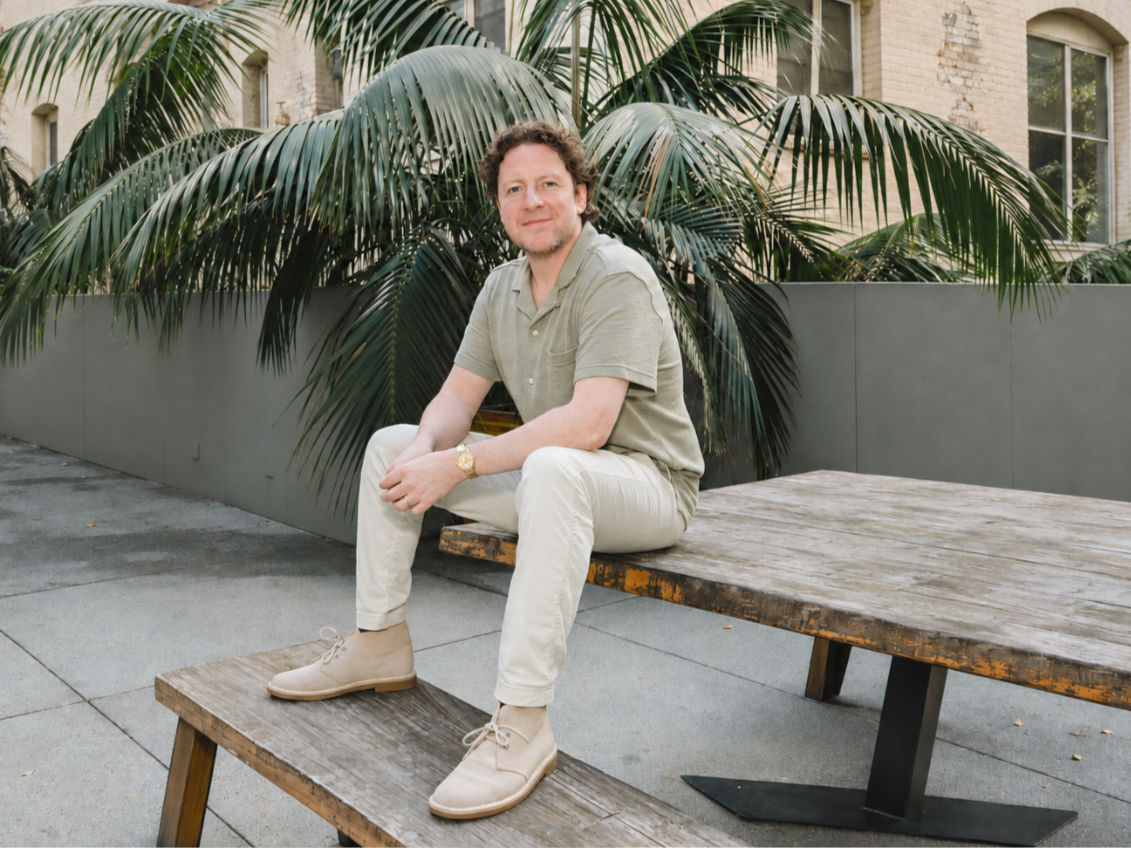
The chef turned media founder on judging without prejudice, protecting drinking culture and why personality matters as much as precision.
Behind every great bottle is a conversation worth having. In this interview series, The Best Drink Ever sits down with respected voices and tastemakers across the spirits industry to explore what they’re drinking, what they’re questioning and what deserves more attention.
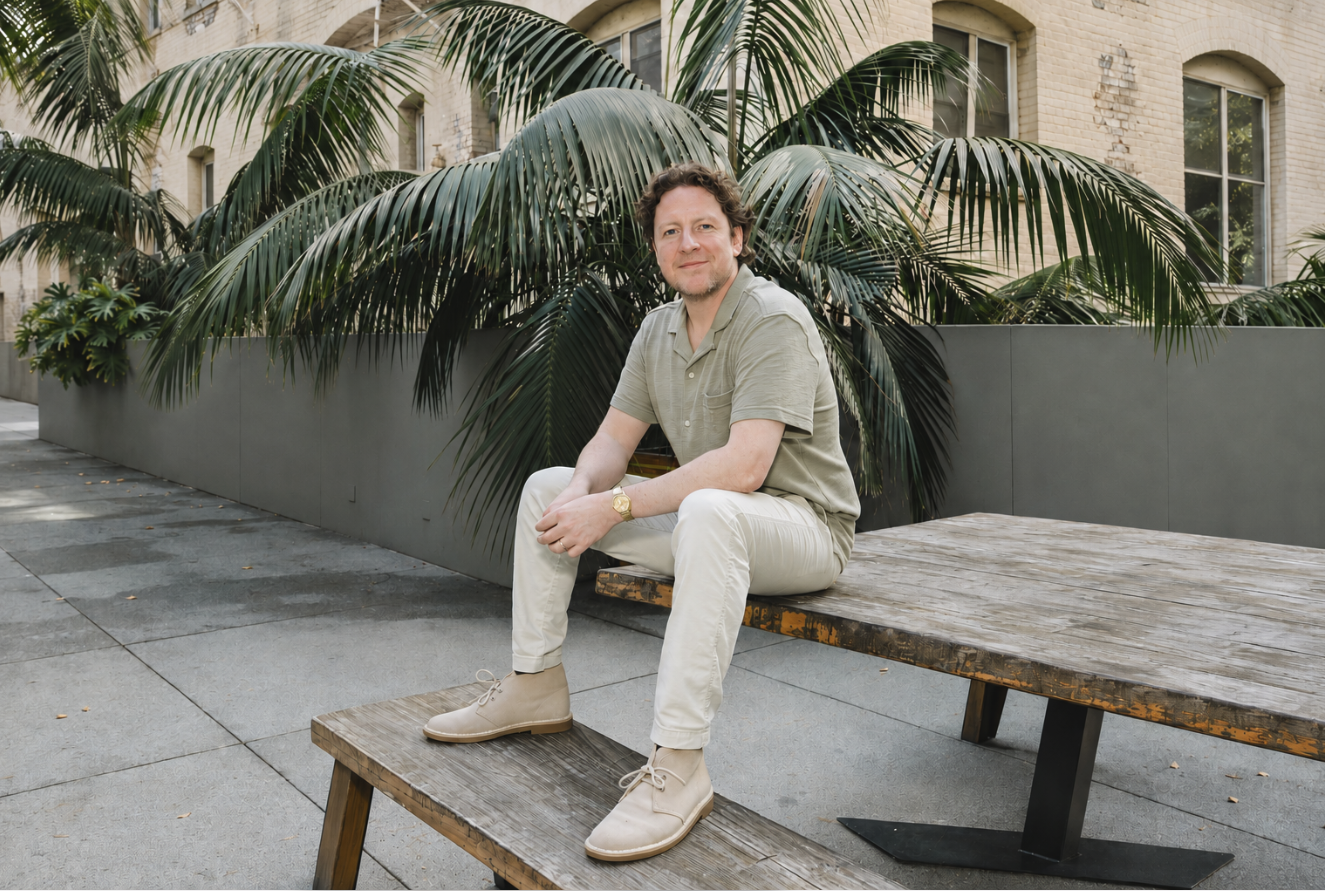
Tim McKirdy would like you to stop looking at the label for a minute. There’s plenty you can learn from a bottle. Where it was made. What went into it. How much someone thinks you should pay for it.
But as a judge at the L.A. Spirits Awards, Tim’s job begins with putting that information aside. The reputation can wait. First, taste.
“A good spirit is a textbook representation of a category or style. A great spirit has a clearly defined personality that builds on that category or style, but also has something to say, whether that’s about where it comes from or how it was made.”
It’s a useful introduction to the former professional chef, spirits journalist and founder of Brooklyn-based media company The Coaster. He cares about how things are made, whether they deliver and whether people can afford to enjoy them. Over the course of our conversation, those concerns keep finding their way back to one another.
A Kitchen Education
Tim worked in kitchens before he worked in media. An interest in wine led him from cooking to covering it; spirits and cocktails became his main focus around eight years ago. In October 2025, he founded The Coaster, bringing that background into a business built around conversation.
“Along with fellow judge Sother Teague, I co-host the podcast Sauced, a show about cooking with booze and drinking with food. The Coaster is also set to launch its second podcast in Q1 2027, focused entirely on cocktails, spirits and bartending.”
Food and drink have remained close company in his work. So has preparation, although listeners aren’t necessarily supposed to notice it. The idea that podcasting amounts to turning on a microphone and talking for two hours gets a fairly direct correction.
“In reality, we do a lot of preparation and have a clearly defined structure to the show, so that it’s as entertaining and informative for our listeners as possible.”
The finished conversation should feel easy. Getting it there is somebody’s job.
That same attention follows him to the tasting table. Tim isn’t looking for every spirit to land at some polite midpoint between sweet and bitter. He has no objection to a drink making itself known.
“I don’t think the two are competing values, per se. We prize the acidity in some of the world’s finest wines, for example, and likewise there are spirits and liqueurs that are intended to be sweet or bitter. Those characteristics or profiles are how I’m interpreting boldness here. Something can be sweet and balanced, or bitter and balanced, and ultimately balance is the most important thing I look for, irrespective of where the intended profile lands on the spectrum.”
Where those flavors originate matters to him, too. He identifies additives as something he notices even when a consumer might not, while acknowledging that their use can be entirely permitted. His preference is specific: “What I look for and prize is that everything I taste in the final spirit is a product of base ingredients, fermentation and distillation (and aging, where applicable).”
He wants to taste the decisions that went into making it.
At the Table
Judging day has its own practical requirements. Water within reach. Crackers. A fairly neutral cheese. Celery, ideally peeled. Tim credits the L.A. Spirits Awards team and volunteers with keeping those essentials supplied while the judges work through the spirits.
He describes the experience as exciting, eye-opening and enjoyable—a concentrated chance to take the industry’s pulse that comes around only one or two days a year. There’s discovery in it, including the occasional reassessment of something a judge thought they already knew.
“I think the beauty of tasting spirits blind, as we do for the L.A. Spirits Awards, is that it forces us to leave any preconceptions at the door. Ultimately, that can lead to some surprises when we find out what we’ve tasted and how we rated it.”
The opinion comes before the reveal. A familiar name gets no help from its reputation, and an unfamiliar one has the same opportunity to impress. Tim sees that as essential to assessing quality fairly.
Asked what a medal means under those conditions, he returns to the wording of the question.
“I think the answer is right there in the question: it’s earned. But also, as far as anything that falls within the boundaries of taste and tasting can be, it’s objectively correct.”
He’s equally direct about what people might misunderstand about a day spent judging spirits: “That we don’t walk out the door three sheets to the wind!”
The Price of a Good Night Out
The conversation gets sharper when we turn to the state of the business. Tim is skeptical of the explanations that get repeated until they start sounding like established fact.
“I think the notion that people are drinking less these days because of GLP-1s, or because Gen Z doesn’t drink, is overhyped. These narratives are very hard to prove, and they’re largely based on self-reported survey data rather than hard sales data. It’s true that spirits sales are down from their recent peak, but they’re still sitting at or above where they should be when you look at the long-term trend.”
That’s his reading of the situation, and his concern extends to the spending decisions made in response. What gets funded? What gets cut? What kind of drinking culture is left when those decisions accumulate?
“The reason I think this topic matters so much is that it has very real implications. We’re seeing spirits brands, especially those beholden to shareholders and paying dividends, cut budgets across the board, and where they are spending money is on products that don’t advance drinking culture, whether that’s flavored vodkas or RTDs mimicking children’s drinks. I don’t mean to yuck anyone’s yum, and I would never judge anyone for what they drink: that’s entirely their choice. But I strongly believe in the notion of drinking culture, and the culture that surrounds drinking.”
There’s affection underneath the frustration. Tim cares about this world enough to have expectations of it. And the development he most wants to encourage has very little to do with exclusivity.
“This is more of a bar and cocktail trend than a spirits trend, but I’d say the establishments that are trying as hard as they can, despite all the difficulties the industry is facing, to keep costs down for consumers. That’s incredibly important right now. And where spirits tie into that is the brands providing the best-quality spirits, authentically made, at the fairest possible price. Or, to sum it all up in one word: affordability.”
It’s hard to build a culture around a table people can’t afford to sit at. The bars holding down prices and the producers delivering quality at a fair cost are doing work he believes deserves attention.
So do the Mexican spirits finding an audience beyond the most familiar categories. Tim calls the growing interest beyond tequila—and, to an extent, mezcal—“fascinating and much deserved.” There’s still plenty worth discovering.
Something to Take Home
Every brand has a story. A blind tasting asks the liquid to tell it. For producers, entering a spirits competition offers a chance to hear how their work lands without the label, the sales pitch or someone knowing the founder.
That chance to help brands understand their own product is part of what Tim enjoys about being a judge. Producers put years into what’s in the bottle. A thoughtful assessment can give them something useful to take back to the distillery.
L.A. Spirits Awards takes that opportunity a step further with its Insights Program, which Tim encourages brands to use.
“I would always encourage brands to sign up for the Insights Feedback Program. It’s, of course, an honor to receive any medal, but if I were a brand owner, I think it would be more important for me to find out why I received it.”
A medal can catch an eye on a shelf or open a conversation with a buyer. The feedback gives producers a closer look at what earned it—and what might deserve more attention. For brands considering entering, that’s a reason to put the bottle on the table beyond the possibility of taking home an award.
And what does Tim hope to find in that glass? “Balance and personality, while still being an accurate representation of their category.”
After a conversation that takes in kitchens, microphones, peeled celery and the price of a cocktail, Tim comes back to the liquid. Make it well. Give it character. Let it speak. Then listen to what comes back.
Keep the Conversation Going
Tim has more to say—and more people to pull up a chair with. Follow him and The Coaster, tune into Sauced with Sother Teague, and keep an ear out for what’s next. There’s plenty left to talk about when food, spirits and the people who make them meet at the same table.
For a closer look at the bottles earning recognition and the people tasting them, follow L.A. Spirits Awards. And if you’re a producer curious about how your spirit holds up in a blind tasting, consider entering and adding the Insights Program. Give the judges something to talk about—and take home something worth listening to.