By Mike Gorman, The Best Drink Ever Presented by LA Spirits Awards
Published Nov 14, 2026
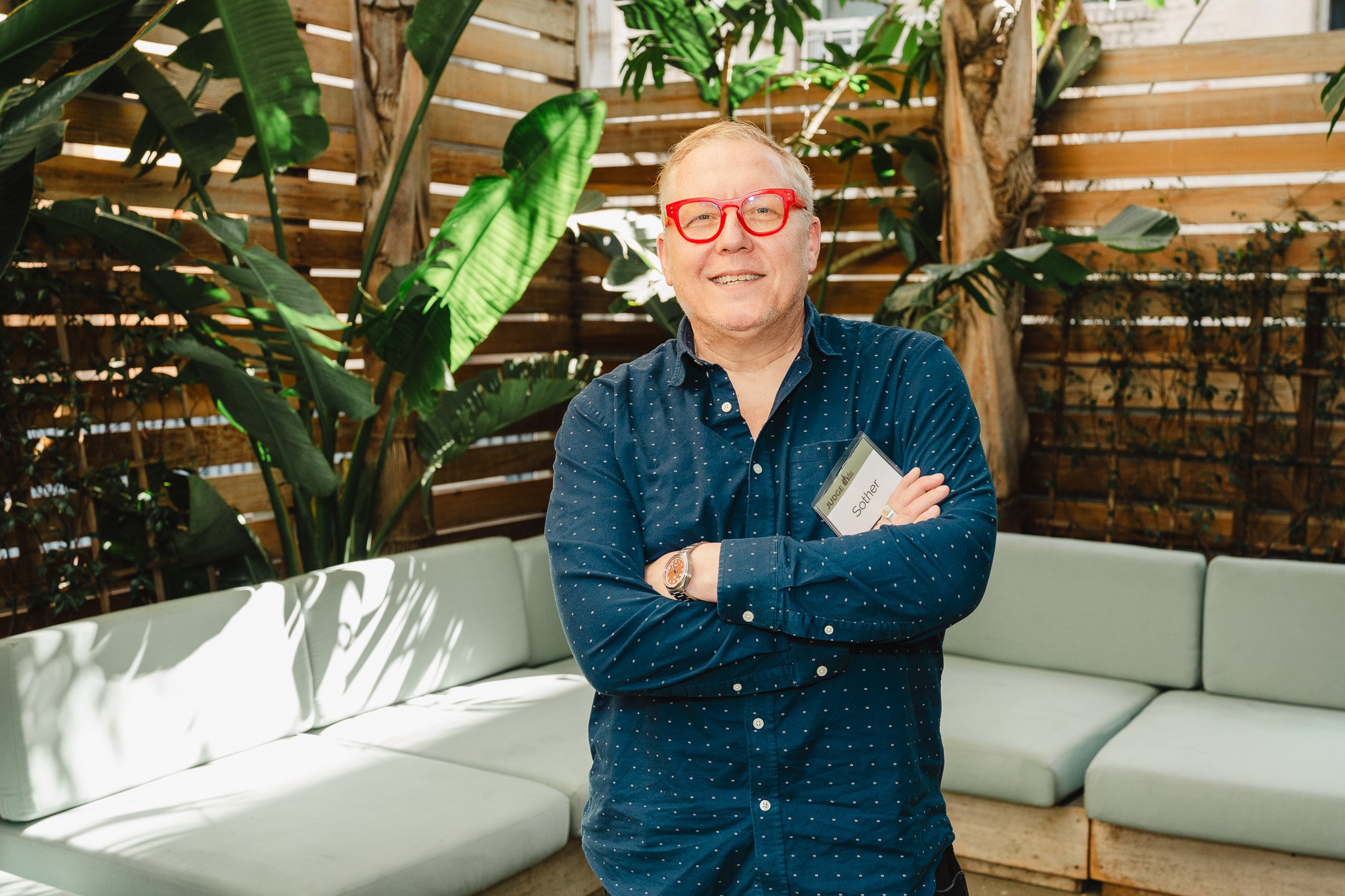
The L.A. Spirits Awards judge and Amor y Amargo owner talks about craftsmanship, category expectations, and the endless possibilities of an Old Fashioned.
Sother Teague knows a good party takes work.
As owner and beverage director at Amor y Amargo, he spends his nights making sure other people have a great time. There’s a distinction he wishes more people understood.
“People think the job of owning a bar is a party every night, which is true,” he says. “The misunderstanding is that I’m not an attendee of the party, I’m the host, and those are very different roles.”
That sense of responsibility carries over to his seat at the L.A. Spirits Awards judging table. Tasting requires concentration. Feedback should be useful. And a spirit needs to deliver on what it promises.
TBDE sat down with Teague to talk about what blind judging reveals, what brands can learn from the process, and why his favorite cocktail leaves so much room to experiment.
Behind the Bar and the Microphone
Alongside his work at Amor y Amargo, Teague hosts The Speakeasy, a spirits industry podcast he’s been part of for 15 years. His latest podcast project brings another L.A. Spirits Awards judge into the conversation.
Together with Tim McKirdy, he hosts Sauced, a show about cooking with booze and drinking with food. He’s also working on a new book, Drinks With Friends, built around an exchange of ideas with fellow industry professionals.
“I ask my industry friends to give me a recipe or technique that they’ve made famous,” he explains. “I make a version of their drink or use their technique for a recipe of my own.”
It’s a project that makes room for both the original idea and what another bartender can do with it.
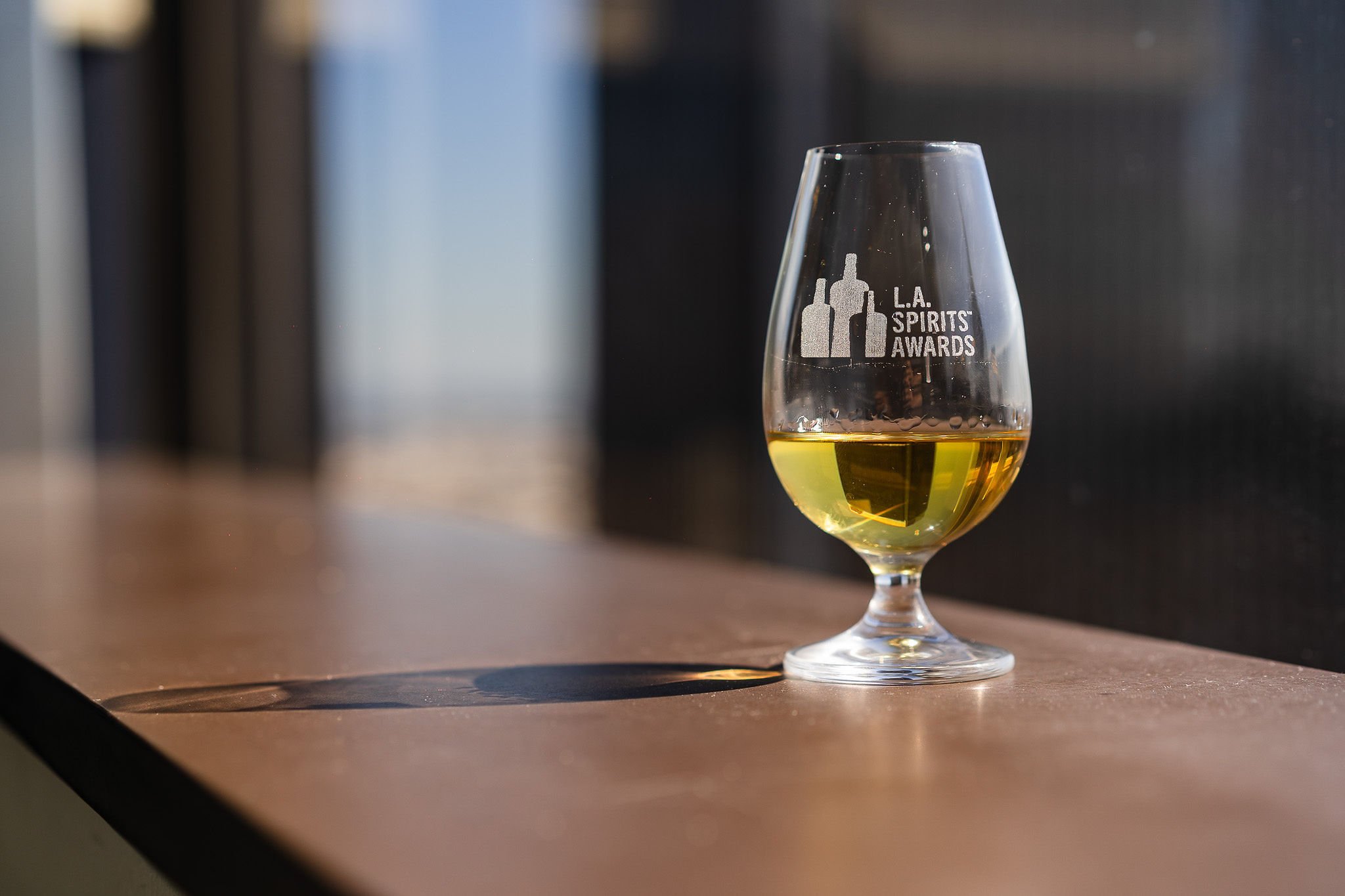
What Happens When the Label Disappears
For Teague, blind tasting demands that judges trust their training and pay close attention to their senses. Without a bottle, a brand story, or familiar packaging, there’s less information to lean on.
“Having so little information on a sample means you really have to rely on your training and hone in on your palate and nosing abilities,” he says.
The process can still produce surprises. He recalls samples at L.A. Spirits Awards that stumped the panel, with their identities only making sense once judging was complete.
That separation between tasting and discovery is central to what an award means to him. A medal earned blind reflects how the sample performed in the glass, without the brand’s reputation or marketing influencing the assessment.
“If we knew what the brands were or the specifics, it’d taint our assessment.”
Craftsmanship Over Gimmicks
Ask Teague where brands lose their way, and he points to the pressure to introduce something new before establishing a convincing reason for it.
“I think a lot of brands rush to market with unnecessary gimmicks or trendy inputs,” he says. “The ones that go best stay true to their category and rely on skill and craftsmanship over hype.”
He does see opportunities for producers to express themselves. Barrel finishing is one area he’s happy to see getting renewed attention. Within whiskey’s production rules, he sees finishing as a way for a maker to create something distinctive and show personality.
He also welcomes a more informed audience.
“Today’s consumer is the smartest and most well informed of all time,” he says. “Curiosity plus the ready availability of information has made them this way. I think it’s great. It raises the bar for everyone.”
For brands, that means drinkers are increasingly prepared to look closely at what’s behind the pitch.
A Long Day, a Shared Vocabulary
Teague describes judging day as both daunting and exciting. The panel may sit down without knowing which categories are coming or how many samples they’ll evaluate.
The volume requires focus, but the conversation with fellow judges is part of the reward. Discussing a spirit means finding precise language for what each person smells, tastes, and experiences.
“It’s a great way to expand a tasting vocabulary,” he says.
He thinks people would be surprised by both the number of samples and how completely blind the process is. From the outside, a medal may look like a simple result. At the table, it follows a rigorous process to evaluate, discuss, and articulate what’s in each glass.
His Advice to Brands: Get the Insights
Teague’s clearest advice for competition entrants is to purchase the judging insights.
“We work really hard at doing the tastings,” he says. “When brands pay for the insights, we give them all the information we can that they can then go back and use to correct or justify their process.”
For him, that feedback gives producers something practical to take away: observations that can help them assess decisions they’ve already made or consider what to adjust.
“It seems foolish to me to come all the way to the dance and not get out on the floor.”
He also encourages brands to think carefully about the category they enter. There’s room for innovation, but judges are evaluating a spirit against the expectations of its submitted category. A distinctive product still needs to make sense within those parameters.
Off the Clock: An Old Fashioned, His Way
Teague calls himself an “equal opportunity imbiber.” American whiskey is a regular choice, and he drinks more Cognac and Armagnac than people might expect.
His go-to simple cocktail is an Old Fashioned, though his interest in its components can make the possibilities anything but simple.
The basic structure is sugar, water, spirits, and bitters. The sugar might be white sugar, brown sugar, molasses, maple syrup, or pomegranate syrup. The spirit can come from anywhere on the bar. With more than 500 bitters at his bar, that component offers plenty of choices, too.
“The Old Fashioned is my favorite cocktail because it’s simple but extremely malleable and personalized.”
And the bottle he keeps returning to? Old Overholt rye, which he’s been drinking for as long as he’s been old enough to drink.
His affection for it comes down to consistency and the work of making whiskey day after day. Coming from someone who spends his working life hosting, tasting, and asking how drinks are made, it’s a fitting choiceKeep the Conversation Going
There’s more to hear from Sother. Tune into The Speakeasy, catch Sauced with fellow judge Tim McKirdy, and keep an eye out for his next book, Drinks With Friends. Or pull up a seat at Amor y Amargo and let him play host.
For more conversations with the people behind the judging, follow L.A. Spirits Awards. If you’re a producer, enter your spirit and add the Insights Program to hear what the judges have to say. As Sother puts it, “It seems foolish to me to come all the way to the dance and not get out on the floor.”